
Jennifer Loyd, a Licensed Professional Counselor (LPC) with more than 21 years of experience, understands grief personally and professionally. Having lost her mother at age 12, Jennifer’s experience inspired her career helping others navigate life’s difficult transitions.
“I can tell you, grief doesn’t end,” Jennifer explains. “I believe that it shifts and evolves.”
Her perspective offers an important reminder: Healing doesn’t mean forgetting. It means learning to move forward while honoring what we’ve lost.
What Types of Grief and Loss Do Older Adults Experience?
Grief extends beyond the death of a loved one. Older adults may experience several forms of loss, including:
- Loss of loved ones: The death of a spouse, sibling, longtime friend, or family member can leave an emotional void.
- Loss of independence: Giving up driving or needing assistance with everyday tasks can create frustration and vulnerability.
- Changes in physical or cognitive health: Declining abilities may mean grieving activities and freedoms once taken for granted.
- Loss of familiar surroundings: Downsizing or leaving a longtime home can bring sadness, even when the change offers benefits.
- Changes in identity and purpose: Retirement or reduced responsibilities can affect someone’s sense of self.
Jennifer recalls watching the fiercely independent women who raised her struggle as their abilities declined, describing their experience as “the loss of independence and the forced acceptance of help.”
The National Institute on Aging explains that grief can affect emotional and physical health, contributing to disrupted sleep, appetite changes, and difficulty concentrating.
Recognizing these experiences as legitimate forms of grief is an important step toward healing.
How Can Older Adults Cope with Grief in Healthy Ways?
Grief doesn’t follow a predictable timeline or prescribed stages. Each person’s experience is shaped by their relationships, culture, and personal history.
“Recognize what it is. Accept it for what it is and give yourself the time and space to experience it,” Jennifer advises.
She compares grief to ocean waves, describing how emotions can arrive unexpectedly, sometimes gently and other times with overwhelming intensity. A familiar song, anniversary, or holiday gathering may suddenly bring memories rushing back.
Rather than resisting these feelings, Jennifer encourages people to acknowledge them without judgment.
Healthy coping strategies include:
- Acknowledge your emotions. Allow yourself to experience sadness, anger, loneliness, or happiness without expectations.
- Maintain healthy routines. Regular meals, physical activity, and adequate sleep provide stability.
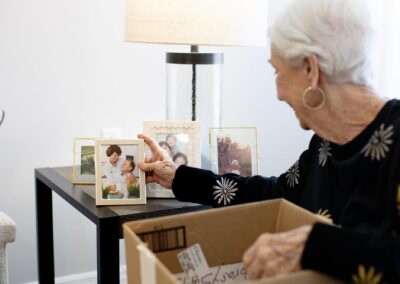
- Honor meaningful memories. Sharing stories, looking through photographs, or continuing traditions can bring comfort.
- Prepare for difficult dates. Anniversaries and holidays may intensify grief. Planning supportive activities can help.
- Stay connected. Spending time with friends, family, or a support group can provide reassurance.
- Seek professional guidance. Counseling can help when grief becomes overwhelming or interferes with daily functioning.
Most importantly, coping with grief isn’t about meeting someone else’s expectations. It’s about discovering what works for you.
Why Are Social Connections So Important When Coping with Loss?
Grief can feel especially isolating when someone loses a spouse or experiences a shrinking social circle.
According to the Centers for Disease Control and Prevention, approximately one in three American adults reports feeling lonely. Loneliness and social isolation are associated with increased risks of depression, anxiety, cognitive decline, and other health concerns.
Meaningful relationships can provide emotional support during difficult times.
Jennifer emphasizes that companionship doesn’t always require conversation. Sometimes simply being present provides comfort.
How Senior Living Communities Make Connection Easier
One of the meaningful advantages of senior living is having opportunities for companionship woven into everyday life.
Rather than coordinating transportation or arranging social outings, residents can connect naturally through shared meals, activities, wellness programs, and spontaneous conversations.
At Broadway Cityview, a senior living community in Fort Worth, residents have opportunities to develop friendships, discover common interests, and build supportive relationships.
A neighbor who has experienced a similar loss may offer understanding. A familiar dining companion might notice someone’s absence and reach out. A shared activity can provide a welcome opportunity to reconnect.
When asked whether community living can help older adults navigate grief, Jennifer responded:
“Absolutely, especially if the person who is, who could be the grieving one is ingratiated into their community.”
She explains that residents involved in community life are surrounded by people who recognize them, care about their well-being, and may personally relate to their experiences.
While senior living doesn’t eliminate grief, it can make finding understanding, encouragement, and friendship considerably easier.
How Can Older Adults Find Joy and Purpose After Experiencing Loss?
Finding happiness after loss can sometimes create feelings of guilt. An older adult may wonder whether enjoying activities or developing new friendships somehow diminishes the significance of someone they’ve lost.
But joy and grief can coexist.
Rediscovering purpose might mean returning to a favorite hobby, volunteering, mentoring younger generations, or exploring new interests. Even small experiences can restore feelings of belonging and accomplishment.
For older adults adjusting to declining abilities, purpose may involve redefining independence rather than surrendering it.
Jennifer encourages families and caregivers to approach these transitions with empathy, recognizing that accepting assistance can be emotionally difficult.
Senior living can help by providing support with everyday responsibilities while creating more opportunities to pursue meaningful interests and relationships.
Jennifer offers a powerful reminder about the importance of companionship:
“The first years of our life, we shouldn’t do alone. The last years of our life, we shouldn’t do alone either.”
Moving Forward, Together
Grief may change how we experience life, but it doesn’t have to define everything that comes next.
By honoring memories, maintaining meaningful relationships, and embracing new experiences, older adults can continue finding connection, fulfillment, and joy.
If you or someone you love is navigating grief, we invite you to join us on November 4 at 11:30 AM for Navigating Grief During the Holidays, a special presentation by Licensed Professional Counselor Jennifer Loyd offering insight and guidance for coping with loss during the holiday season – RSVP here.
Contact Broadway Cityview today to schedule a personal tour and discover how a connected, supportive community can help you or someone you love continue moving forward while honoring the past.